
The Cardiff issue, November 2026
Cardiff
Walk down St Mary Street on a Six Nations Saturday and the retractable roof of Principality Stadium sits closed over a crowd loud enough to feel through the pavement, two streets back from the shops.
Plan your Cardiff trip
Live prices from our booking partners.
Guests & rooms
Free cancellation on many rooms. We may earn a commission when you book.
The Cardiff reading list
All 6 Cardiff stories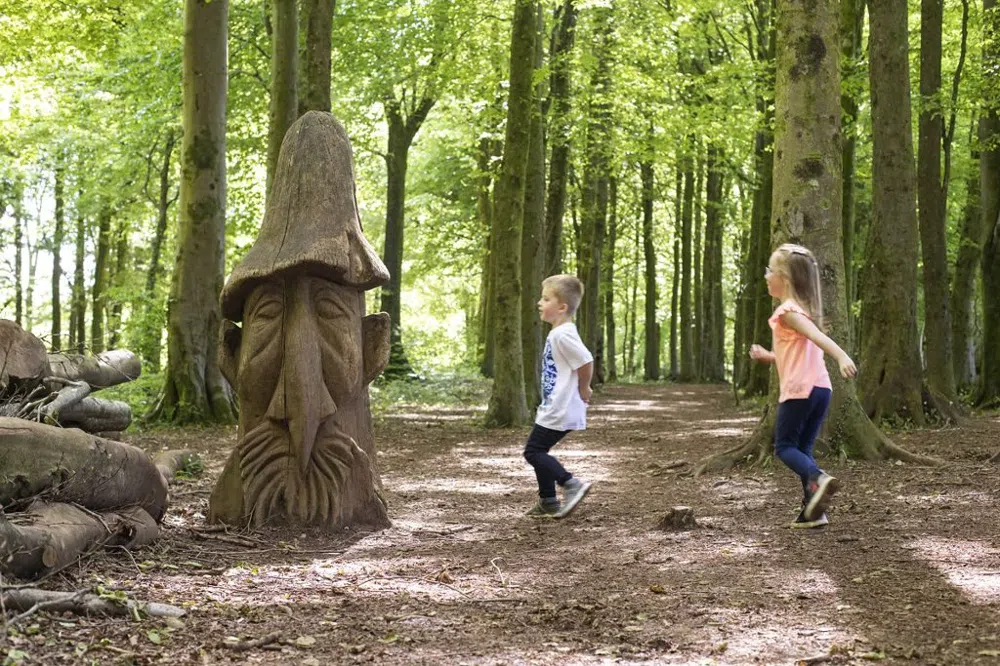
The lead story
Where to walk and eat in Fforest Fawr, Cardiff
A 1.3-mile sculpture loop, a castle with a capacity limit, Wales's only thermal spring, and the pubs at the foot of the hill.
Marieke de Vries
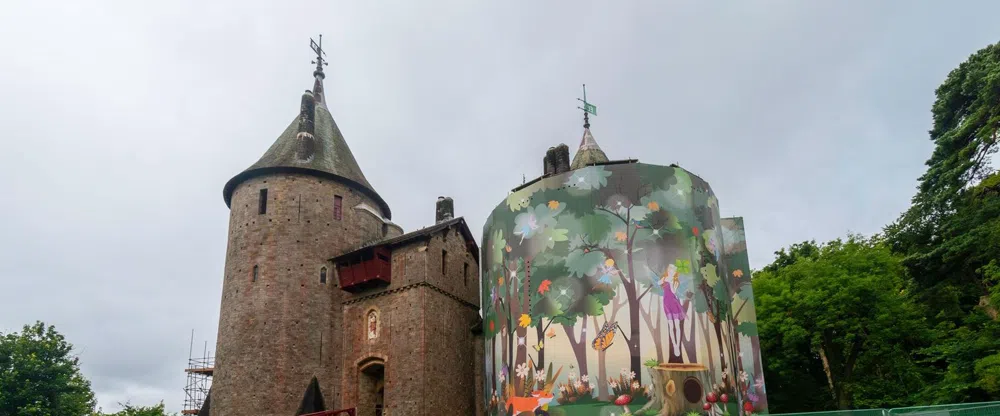
Walking Tongwynlais and Castell Coch in north Cardiff
Castell Coch's entry prices and scaffolding, a redwood sculpture trail, the Garth ridge, and the village cafés and pubs on the Taff Trail.
Marieke de Vries
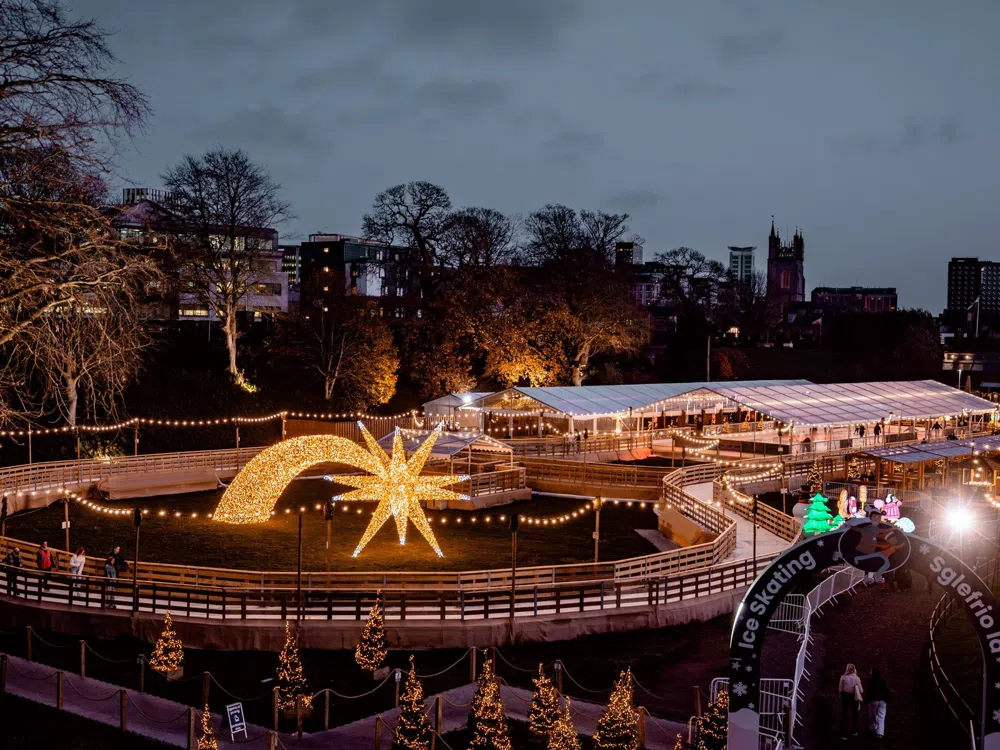
Cardiff's Winter Wonderland 2026: Castle Ice Rink, Big Wheel and Opening Times
The castle rink, the City Hall wheel and the Bute Park light walk: 2026 dates, prices, and which slots you need to book before you travel.
Marieke de Vries
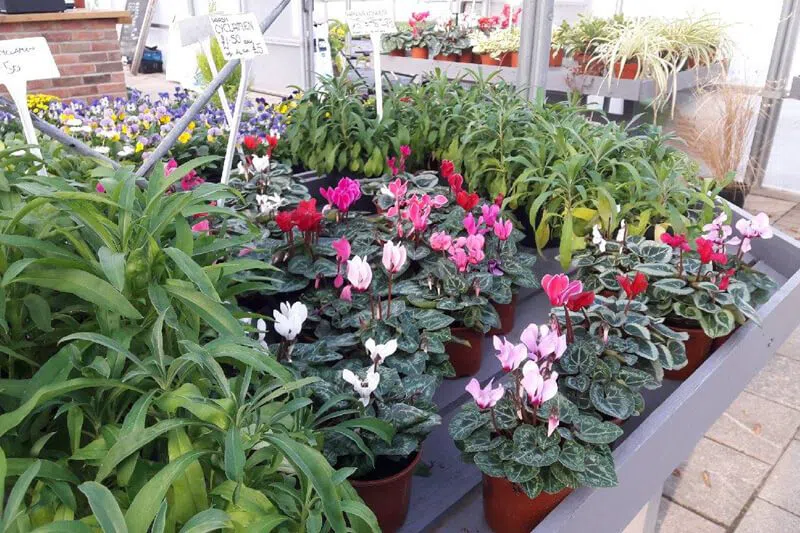
How to walk Cardiff's Bute Park from castle to Blackweir
One riverside walk from the castle gate to the weir, past the champion trees and two park cafes, then the boat down to Cardiff Bay.
Marieke de Vries

Riverside, Cardiff, from the Sunday market to Sophia Gardens
Walk Cardiff's Riverside on a Sunday: market hours, the Tudor Street food shops, the cricket ground, the river path and the few places to sleep.
Marieke de Vries
More from the Cardiff issue
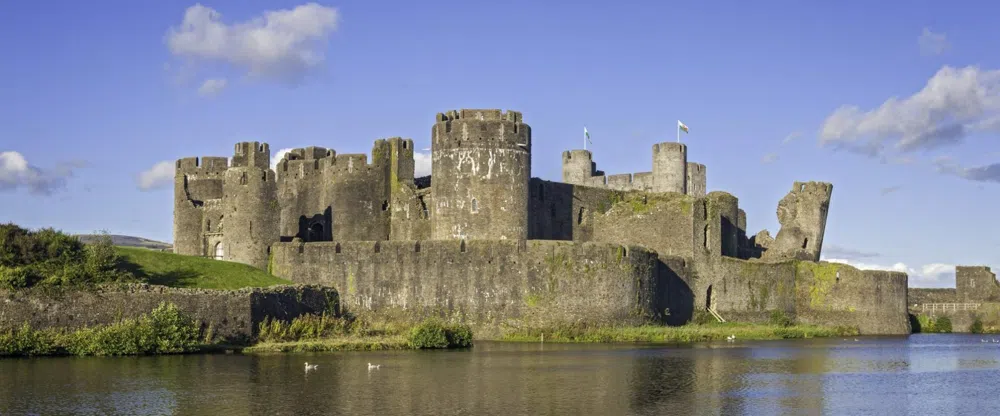
An insider’s read on Cardiff
Cardiff began as a Roman fort at a crossing of the River Taff, a name rooted in Caerdydd, fort on the Taff, and stayed a minor market town until the second Marquess of Bute built docks here in the 1830s. Coal from the Valleys turned Cardiff briefly into the busiest coal-exporting port in the world, and the money built the ornate civic buildings around Cathays Park as well as Bute's own Gothic fantasy apartments inside the old castle keep. The docks drew a genuinely international dockland community into Tiger Bay, now Butetown, decades before most of Britain had any comparable mix.
When the coal trade collapsed in the twentieth century the docks emptied out, and the city spent decades figuring out what came next. Capital status arrived late, in 1955, and real political weight came later still with the Senedd and devolution in 1999, built on the regenerated Bay rather than in the old centre. That sequence, industrial boom, multicultural docklands, decline, and a comparatively recent reinvention as a seat of government, still shapes how the city reads today: a civic core confident about its new institutions, a waterfront rebuilt almost from scratch, and inner neighbourhoods that kept their working-class terraced character through all of it.

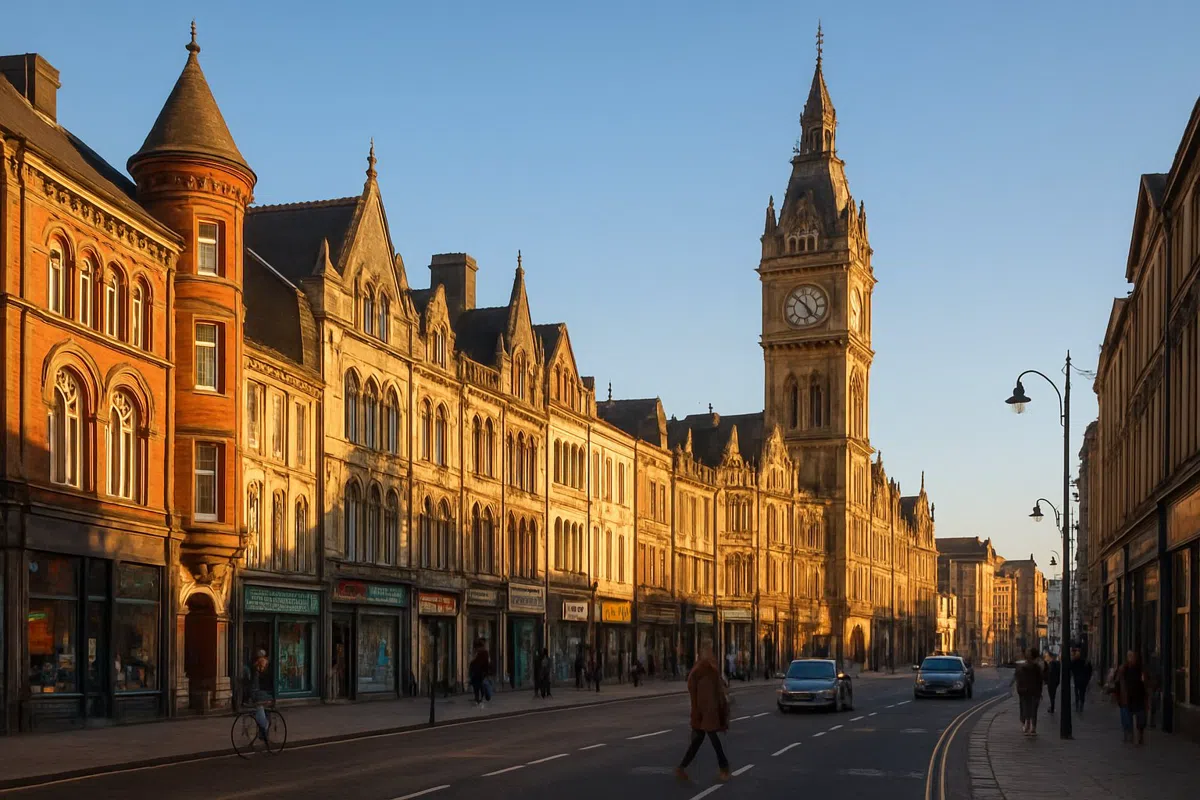
The pubs on St Mary Street get properly rough on a weekend night, the historic market is mid-restoration
From our Cardiff guide
Twelve neighbourhoods, twelve ways to stay
Pick the neighbourhood first and the trip follows. Each one opens its own guide, with the hotels inside it.
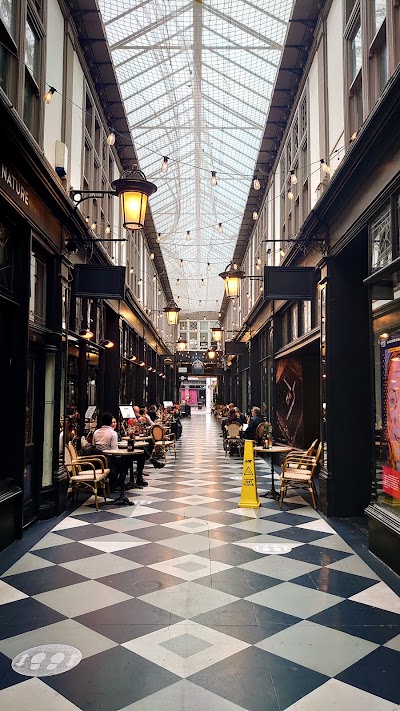
City Centre (Castle Quarter)
Suits a first visit who wants everything in walking distance; the trade-off is the same streets turn loud and messy after midnight on weekends.
The civic core: Cardiff Castle's keep rising over Bute Park, the covered Edwardian and Victorian shopping arcades, and St Mary Street running straight into Westgate Street past the stadium. Shirts and scarves on match day, office lunch crowds midweek, and a hard edge of late-night drinking once the pubs on St Mary Street empty out.
Where to stay Chain hotels cluster around the castle and the arcades; book early for Six Nations or stadium concert weekends when rates spike.
Stay in City Centre (Castle Quarter)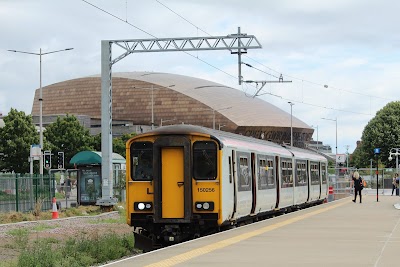
Cardiff Bay and Butetown
Suits anyone chasing the postcard view and a calmer base; the walk back to the city centre proper takes a good twenty minutes and the Bay itself empties out early most nights.
The old docks, rebuilt around a barrage-formed waterfront: the Senedd, the Wales Millennium Centre's bronze-lettered front, glass-fronted apartment blocks where the coal exchange once stood. Butetown behind it holds the real history, Tiger Bay's multicultural dockland community, in quieter terraced streets the waterfront visitors rarely reach.
Where to stay Waterfront hotels with Bay views; good for families and anyone prioritising the Senedd, Doctor Who filming sites and a quieter evening.
Stay in Cardiff Bay and Butetown
Cathays
Suits budget stays near the university and the museums in Cathays Park; not a quiet choice outside term breaks, when the streets are younger and louder than most of the city.
Term-time Cathays is Cardiff University's overflow, the so-called Golden Triangle of terraced streets packed with student lets, kebab shops and cheap takeaways; City Road to the east adds a run of South Asian and East Asian grocers and restaurants that outlasts the students.
Where to stay Mostly shared student housing and a few budget guesthouses; short-let options near Cathays Park station.
Stay in Cathays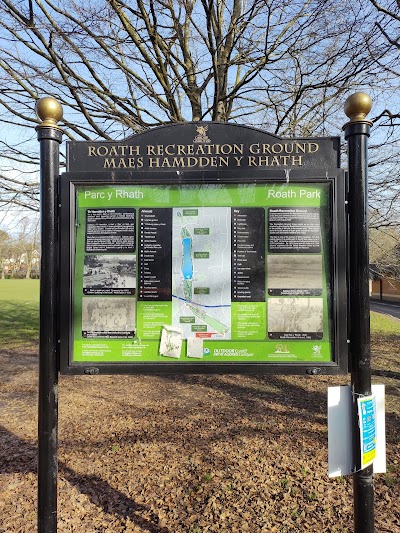
Roath
Suits visitors who want a residential, local-feeling base a short bus ride from the centre; it trades walking convenience for a more lived-in neighbourhood.
Dense Victorian and Edwardian terraces east of the centre, with Roath Park's lake and the City Road end of Albany Road carrying a strip of independent cafes, bars and restaurants that feels distinct from anything the centre offers.
Where to stay A handful of guesthouses and short lets around Albany Road and City Road; no major hotels.
Stay in Roath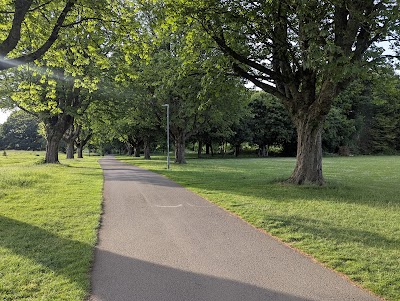
Pontcanna
Suits visitors prioritising food over nightlife; it is residential and quiet after dinner, with limited late-night options of its own.
West across the River Taff, Pontcanna is where Cardiff's food scene concentrates: Victorian terraces, tree-lined streets and a run of restaurants on Pontcanna Street and Kings Road that has earned the city its first Michelin star and most of its best tables.
Where to stay Few hotels sit here directly; best reached by taxi or bus from a city centre base for dinner.
Stay in Pontcanna
Canton
Suits visitors who want an arts-and-film base away from the tourist core; it is a bus ride rather than a walk from the castle.
A genuinely mixed residential district across the river from the centre, built around Cowbridge Road East's independent shops and cafes and the Chapter Arts Centre, with a long-settled South Asian community alongside students and young professionals.
Where to stay Mostly residential; a few guesthouses near Chapter Arts Centre.
Stay in Canton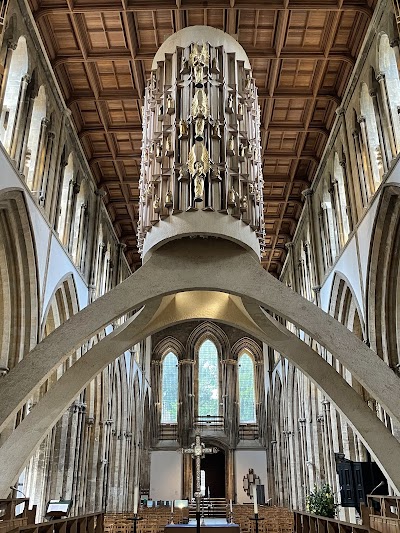
Llandaff
Suits families and anyone wanting a quiet, green base; it is genuinely outside the city centre and depends on a bus or a long walk for evenings out.
A separate village swallowed by the city's growth, built around the twelfth-century Llandaff Cathedral and a High Street of independent shops and pubs, with Llandaff Fields running down to the river.
Where to stay A couple of pubs with rooms and B&Bs around the cathedral green; no major hotels.
Stay in Llandaff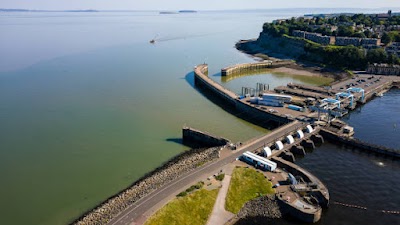
Grangetown
Suits budget-minded visitors happy to walk fifteen minutes into the centre; some streets are quieter after dark than the centre or the Bay.
Between the centre and the Bay, a dense multicultural district of terraced streets and Clare Road's independent food shops, long affordable and now filling in with the kind of venues Grangetown's own residents use rather than visitors.
Where to stay Budget guesthouses and short lets; close to Grangetown railway station.
Stay in Grangetown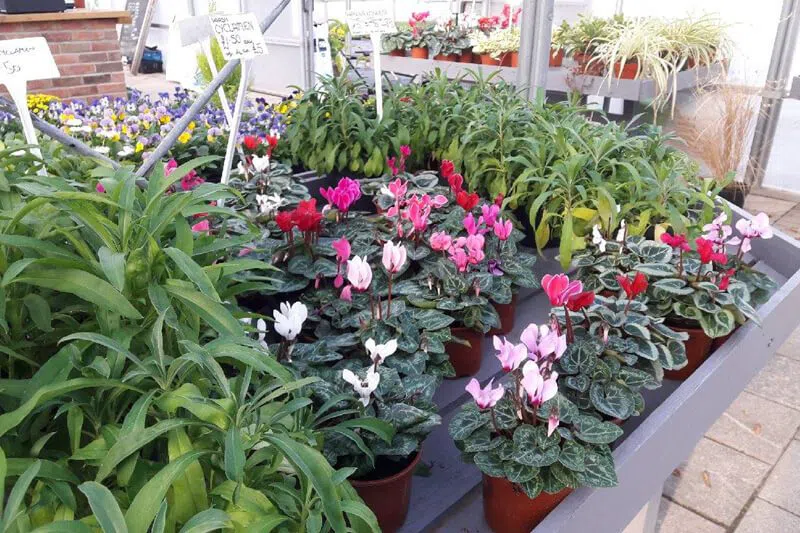
Bute Park and Blackweir
Cardiff’s green heart is an easy half-day of riverside walking, arboretum trails, historic gardens and cafés beside the castle. Best from spring to early autumn; the park hosts outdoor events and festivals, while opening hours shorten in winter.
Stay in Bute Park and Blackweir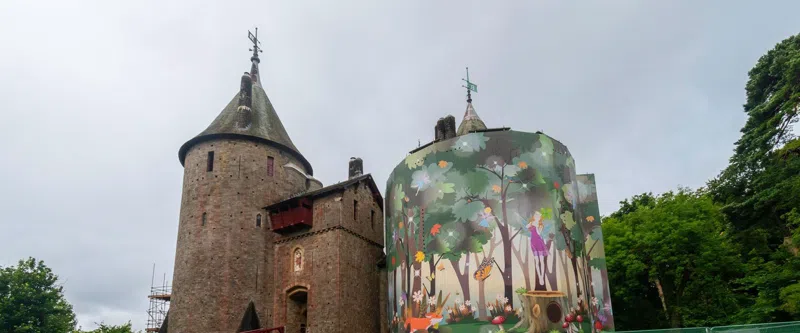
Tongwynlais and Castell Coch
The wooded northern village is the base for visiting Castell Coch, Wales’s fairy-tale Victorian castle, with woodland trails and mountain-edge scenery nearby. Best in spring to early autumn for combining the castle with woodland walks; check castle opening and event dates before travelling.
Stay in Tongwynlais and Castell Coch
Riverside
This compact west-bank district combines riverside walks, multicultural food and one of Cardiff’s best Sunday markets with views toward the stadium. The Riverside Farmers Market is generally held on Sundays; arrive early for the widest food and produce selection.
Stay in Riverside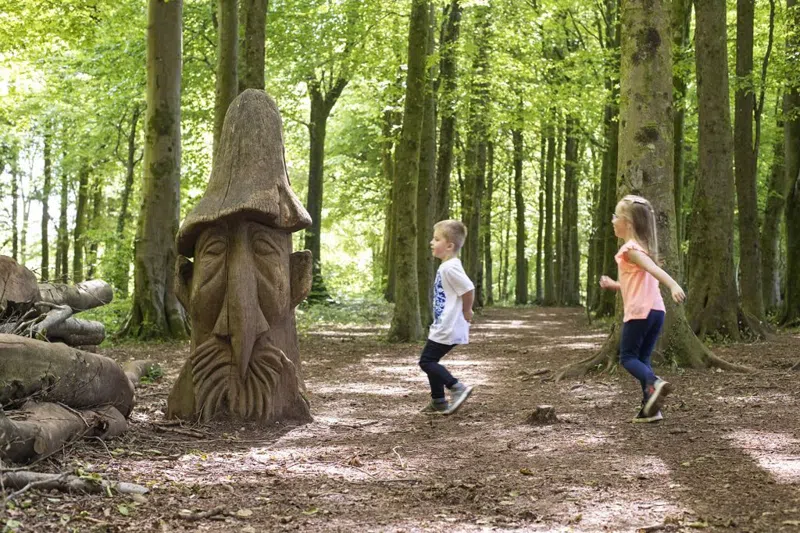
Fforest Fawr
This forested hillside beside Castell Coch offers an easy nature-and-family outing with a sculpture trail, woodland paths and panoramic views over Cardiff. Most atmospheric from late spring through autumn; wet-weather footwear is useful on woodland paths in winter.
Stay in Fforest FawrBook before you land
Top-rated tours and tickets in Cardiff, with live prices from Viator.

Complete Cardiff Doctor Who Walking Tour
from $229

Cardiff City of Arcades Food Experience
from $108

2.5 hour Walking and Tasting Tour in Cardiff
from $64

Cardiff Private Day Tour of South Wales Castles
from $579

Cardiff in a Day
from $114

A Silent Disco Adventure in Cardiff
from $23

Cardiff Private Half-Day Walking Tour
from $202

Tudor Cardiff: A Self-Guided Audio Tour
from $8
Prices from Viator; we may earn a commission when you book — at no extra cost to you. Tours are sold and operated by Viator, the merchant of record. Ratings are collected by Viator and Tripadvisor.
Book direct
Book a hotel in Cardiff
Loading live availability and real-time prices…
The Cardiff guide
Where to eat, drink and look, how to get around, and what locals expect of you. Open any chapter.
Where to eat
Dining
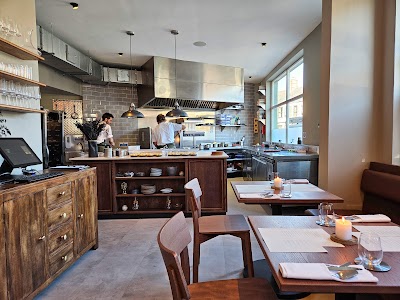
Gorse
Tom Waters' intimate, open-kitchen room earned Cardiff's first Michelin star within a year of opening, built on quietly confident cooking around Welsh produce and a kitchen that serves you itself.
Signature: a tasting menu built around whatever Welsh produce is at its best that week
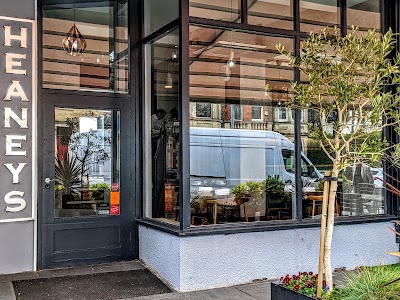
Heaneys
Tommy Heaney's small plates run from casual tapas-style grazing to an extended tasting menu in the same room, built on technical precision applied to bold flavour combinations.
Signature: the extended tasting menu that can stretch to ten courses
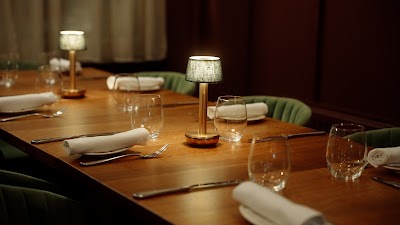
Thomas by Tom Simmons
Tom Simmons returned to his home city after training in London, and the kitchen elevates British classics like fish and chips and shoulder of Welsh lamb with sauces too precise for a plain bistro.
Signature: shoulder of Welsh lamb
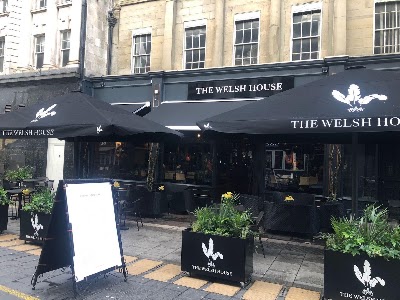
The Welsh House
Founded by figures from Welsh rugby and built around showcasing the national larder, its cawl is the dish regulars come back for.
Signature: cawl
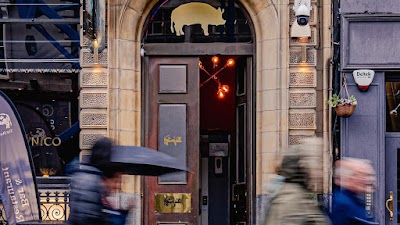
The Potted Pig
Set in a converted bank vault on High Street, it leans on seasonal Welsh produce and has built its name on cockles, laverbread and bacon on toast.
Signature: cockles, laverbread and bacon on toast
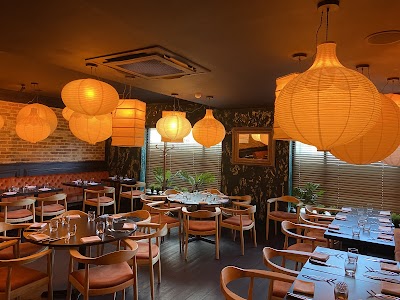
Purple Poppadom
Chef Anand George's reworking of Kerala and south Indian cooking has outlasted more than a decade of Cardiff curry houses on the strength of dishes like the signature tiffin sea bass.
Signature: tiffin sea bass
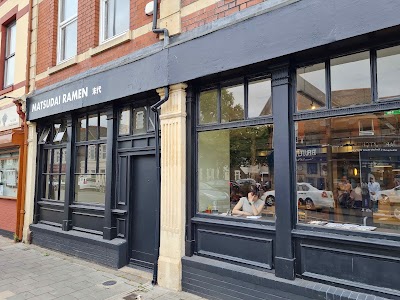
Matsudai Ramen
Wales' first and still only standalone ramen shop, making broth in small batches with Japanese technique and Welsh ingredients, and it has the reputation to match.
Signature: ramen made in micro batches
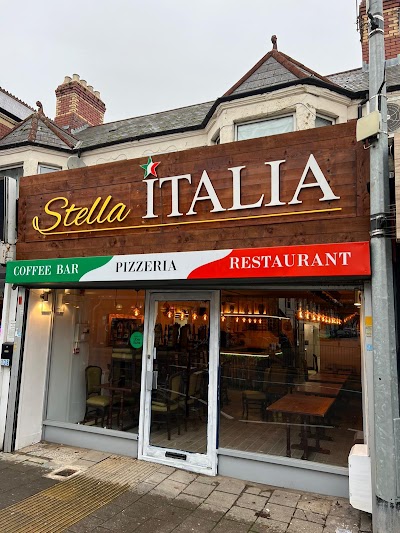
Stella Italia
Run by the team behind neighbouring Vivo Amigo, it folds curry sauces into Italian plates, a saag aloo calzone and a butter chicken pasta that sound improbable and work.
Signature: saag aloo calzone
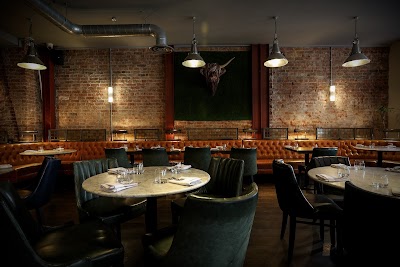
Pasture Cardiff
A steakhouse built entirely around the quality of the meat, with a ribeye regulars rate among the best in the city and a kitchen that keeps sides simple so the beef does the work.
Signature: dry-aged ribeye
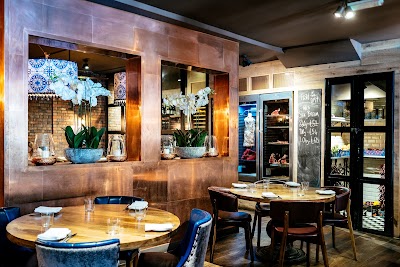
Asador 44
A Spanish grill and wine house doing open-fire cooking properly, with a bill that matches the quality of the meat and the wine list.
Signature: fire-grilled Spanish beef
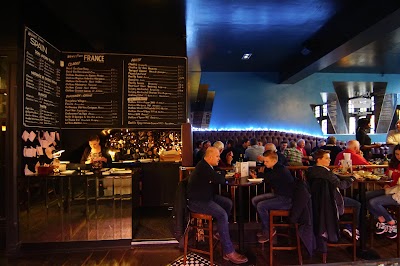
Le Monde
A nineteenth-century warehouse with an art deco fit-out and a fresh fish counter up front stacked with lobster, monkfish and mussels, picked to order.
Signature: whole lobster from the fish counter
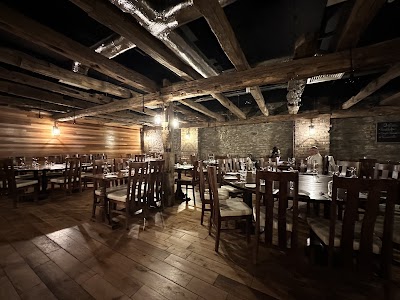
Tŷ Madeira
An award-winning Portuguese kitchen on St Mary Street built around the Atlantic catch, with scallops and mussels that regulars rate above the steaks on the same menu.
Signature: grilled scallops
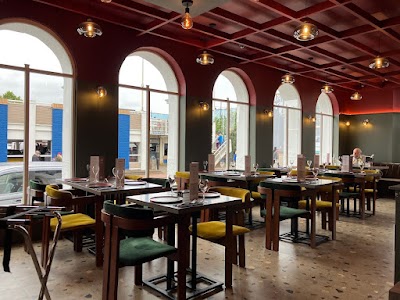
The Sultan
A steakhouse that quietly does seafood just as well, built a loyal following on consistency rather than hype.
Signature: mixed seafood grill
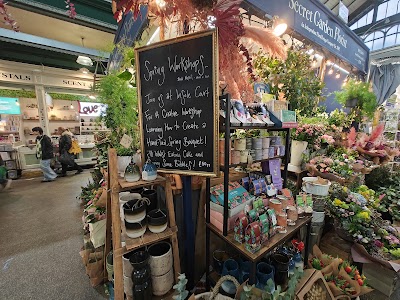
Cardiff Market
A Victorian covered market still trading through its own roof restoration, where Welsh cakes come straight off the bakestone and traders sell the produce the city's chefs shop for.
Signature: fresh Welsh cakes off the bakestone
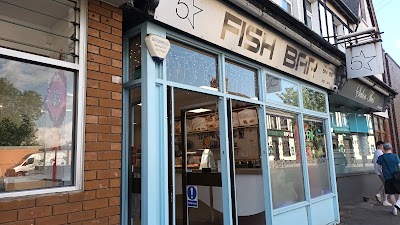
Five Star Fish Bar
Regulars call it the best chip shop in the city, a straightforward fish and chips counter with nothing to prove.
Signature: fish and chips
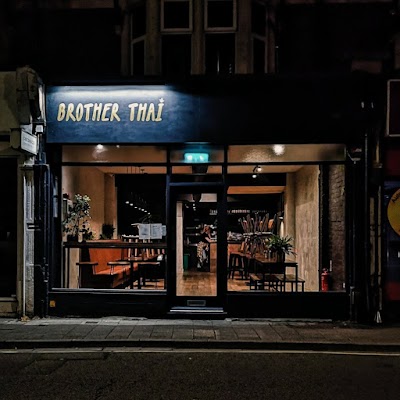
Brother Thai
A Whitchurch Street counter doing big, punchy Thai wraps and small plates at prices built for students, not tourists.
Signature: Thai-spiced wraps
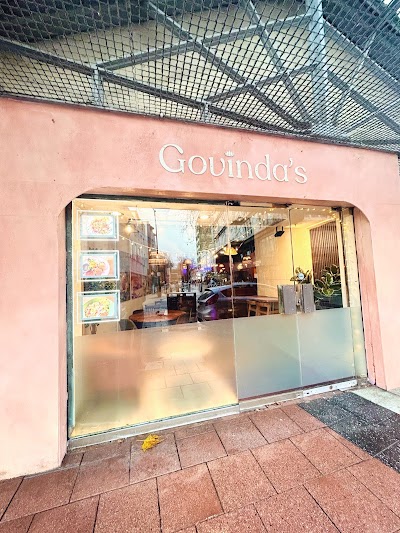
Govinda's
A Hare Krishna-run cafe on Queen Street serving thali-style vegetarian plates that have kept a loyal lunchtime crowd for years, with none of the polish of a restaurant and all the flavour.
Signature: vegetarian thali
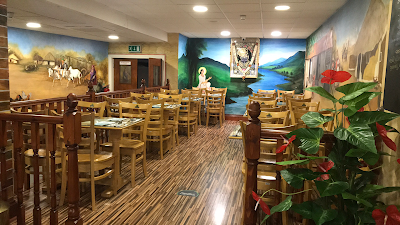
Vegetarian Food Studio
A family-run vegetarian Indian kitchen and takeaway on Penarth Road that has built a following on thalis and curries with nothing meat-adjacent about them.
Signature: vegetable thali
After dark
Nightlife

Circuit
Cardiff's biggest club, four rooms and a VIP space built from scratch in 2023, booking the bigger touring DJ nights the city gets.
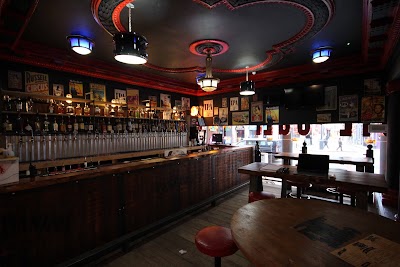
Coyote Ugly
The bar-top dancing chain's Cardiff outpost, run as a loud, rowdy night out rather than a serious club.
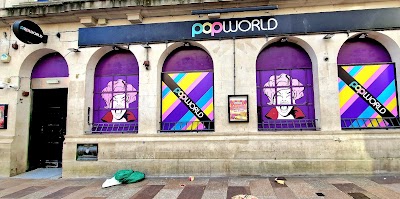
Popworld
Pure pop and seventies disco on a packed dancefloor, the kind of night out that runs on nostalgia and cheap drinks.
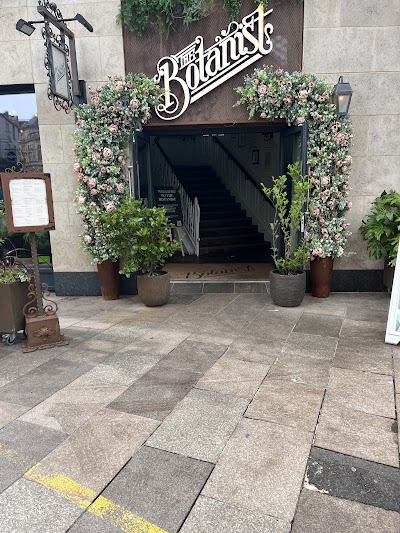
The Botanist
Two floors on Church Street topped by a roof garden strung with festoon lights and a fire pit, with a cocktail list built around garden ingredients.
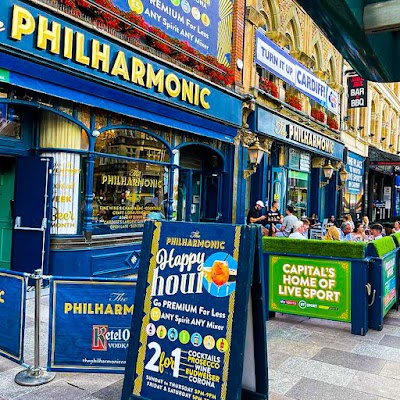
The Philharmonic
One of St Mary Street's few genuine rooftop terraces, as good for a daytime drink as for the brunches it is known for.
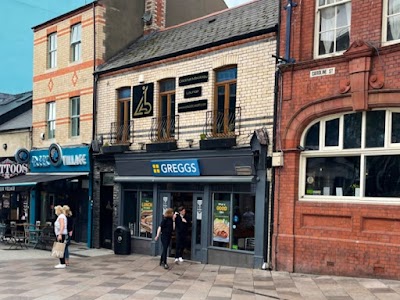
Lab 22
An award-winning cocktail bar tucked down Caroline Street, built on precise, inventive serves rather than spectacle.
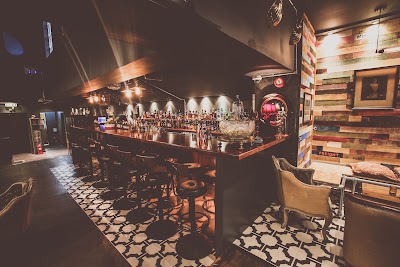
The Dead Canary
A 1920s-styled cocktail bar inside the St David's Centre with a reputation for cocktails that lean into unusual flavour pairings.
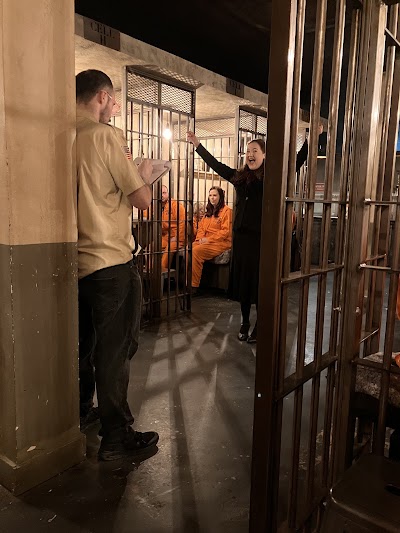
Alcotraz
An immersive speakeasy built around a prison theme, where getting your cocktail means playing along with the bit.
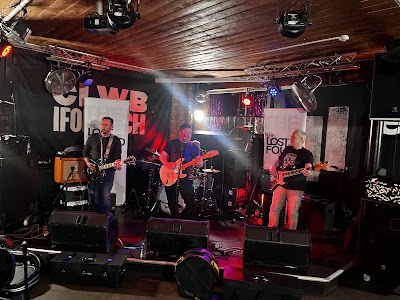
Clwb Ifor Bach
A three-floor Welsh-language club and venue on Womanby Street that has been the backbone of Cardiff's small-to-mid-size touring circuit for decades.

Tramshed
A Grade II-listed former tram depot converted into a thousand-capacity room, now one of the city's main mid-size touring stops.
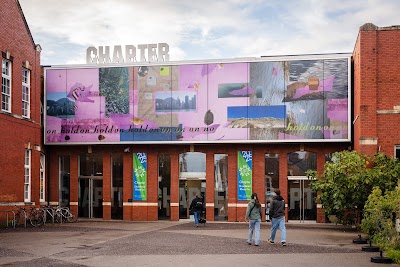
Chapter Arts Centre
An arts centre running since 1971 combining a cinema, theatre and galleries with a bar that programmes live music alongside the rest of its bill.

The Globe
A converted cinema on Albany Road with a 350-capacity room and a balcony, anchoring Roath's end of the touring circuit.
Art & history
Culture
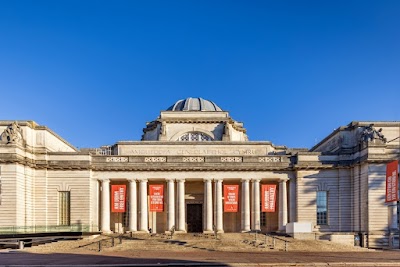
National Museum Cardiff
Holds one of the strongest Impressionist collections outside Paris alongside Welsh art and natural history, free to enter in the Cathays Park civic centre.
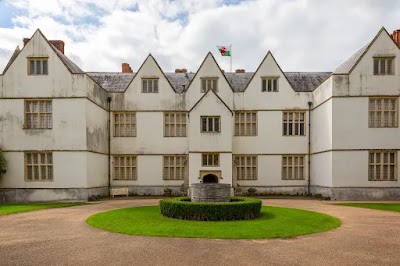
St Fagans National Museum of History
An open-air museum of relocated historic Welsh buildings, from a tannery to a miners' institute, rebuilt stone by stone across parkland west of the centre.
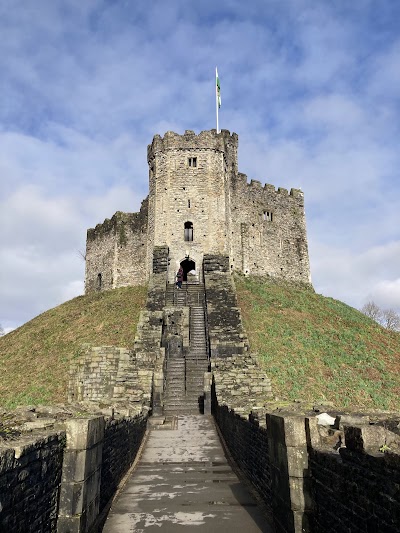
Cardiff Castle
A Roman fort and Norman keep layered under the Marquess of Bute's Victorian Gothic apartments, gilded ceilings and all, right in the middle of the shopping streets.
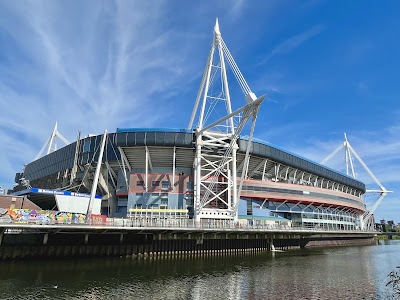
Principality Stadium
The national rugby stadium's roof is the largest retractable roof in Europe, and on a Six Nations Saturday the closed roof turns the crowd noise into something physical.
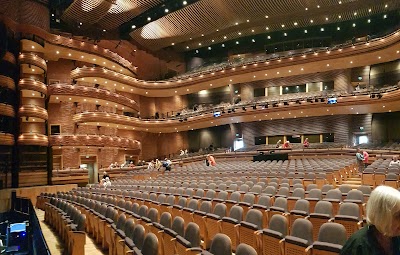
Wales Millennium Centre
The Bay's performing arts centre, faced in Welsh slate with bronze lettering spelling out a line of poetry across the front, anchors the whole waterfront.
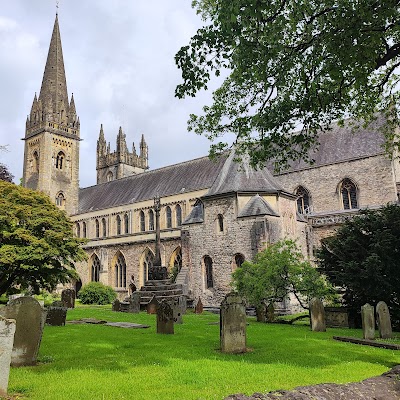
Llandaff Cathedral
A twelfth-century cathedral holding a Dante Gabriel Rossetti triptych, set in its own cathedral green well outside the tourist crush of the centre.
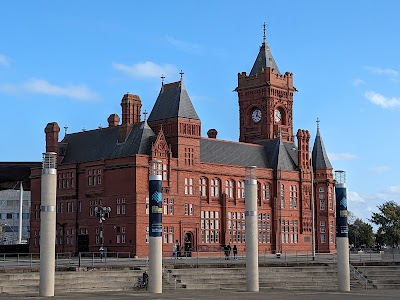
Pierhead Building
A Grade I-listed red terracotta clock tower from the old coal-exporting docks, now a small free exhibition space on the Bay's history.
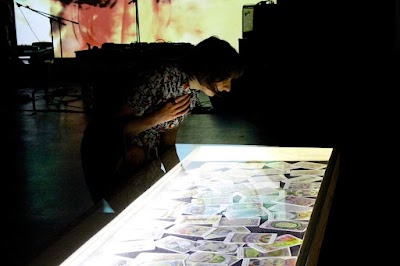
G39
An artist-led space off City Road that has given early platforms to Welsh artists since the late 1990s, with a programme that changes often.
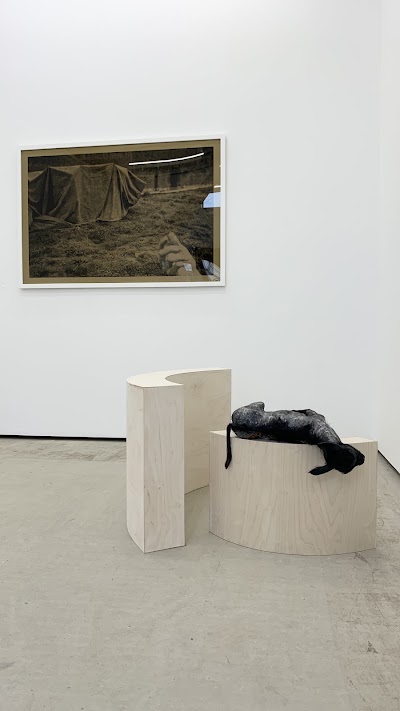
Gallery TEN
A contemporary gallery dedicated specifically to Welsh art, run from a converted coach house in Roath.
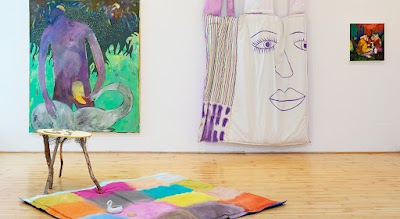
BayArt
An artist-led gallery on Bute Street showing Welsh and international contemporary work in a genuinely working creative space rather than a polished one.
Timing
When to visit
Spring
March to May: mild but changeable, often wet, with the back end of the Six Nations rugby season and St David's Day events on 1 March pulling crowds into the city centre.
Summer
June to August: the warmest, driest stretch of the year, outdoor festivals and beer gardens busiest, and the best weather window for walking Bute Park or the Bay barrage.
Autumn
September to November: the Sŵn music festival lands in October or November alongside autumn rugby internationals at the stadium, while October is typically the wettest month of the year.
Winter
December to February: cold, wet and windy with short days, quieter outside Christmas and the Six Nations opener in early February, when hotel rates jump again.
What it costs
Budgeting
Logistics
Getting around
From the airport
Cardiff Airport sits at Rhoose, about 12 miles southwest of the city, and isn't on the rail network directly: a shuttle bus links the terminal to Rhoose Cardiff Airport station, from where trains to Cardiff Central take roughly 30 to 35 minutes. The T9 express bus runs straight from the terminal to the city centre in around 40 minutes. A taxi takes 30 to 40 minutes.
Public transit
Cardiff Bus runs the city's bus network and is how most people get around outside the walkable centre; Transport for Wales trains connect Cardiff Central and Cardiff Queen Street to the Bay, Cathays, the outer suburbs and onward to the Valleys. There's no metro or tram system.
Passes & tickets
Single bus fares and short train hops are cheap on their own; a day ticket covering Cardiff Bus routes is better value once you're making more than two or three trips. Anyone aged 5 to 21 qualifies for flat, heavily discounted fares under a Welsh Government youth travel scheme.
On foot
The city centre, castle, arcades and stadium all sit within a flat fifteen-minute walk of each other. Cardiff Bay is a further twenty to thirty minutes on foot from the centre, or a short bus or waterbus ride; most of the outer neighbourhoods in this guide need the bus.
Local etiquette
Safety & etiquette
- Buy drinks in rounds in a pub rather than paying separately; it's the local norm, not an obligation to keep up all night.
- Cardiff is bilingual: Welsh and English share every official sign, and a 'bore da' or 'diolch' is noticed and appreciated even from visitors who go no further than that.
- On a match day, home and away fans mix in the same pubs without trouble; the banter is good-natured and loud, not hostile.
- A 10 to 12.5 percent tip is standard in restaurants when service isn't already added to the bill.
Travel smart
Practical tips
- Book hotels well ahead of any Six Nations weekend in Cardiff; rates and availability both move fast once fixtures are announced.
- Carry some cash for Cardiff Market stalls; several of the smaller traders don't take cards.
- Cardiff Market is mid-restoration through 2026 and into 2027, with the work sealed off from trading, so the stalls stay open throughout; don't expect it closed.
- Buy rail tickets for day trips in advance online rather than at the station window to avoid the walk-up fare.
- Pack for rain regardless of season; Cardiff's wettest month is October but showers are possible any week of the year.
- The city centre is largely pedestrianised around St Mary Street and the arcades, so a car adds nothing there and parking is expensive; use one only for day trips out.
- Sunday opening hours run shorter across shops and some attractions; check before building a Sunday around a specific stop.
Before you go
Cardiff FAQs
How many days do you need in Cardiff?
Two full days covers the castle, the Bay and a proper dinner; three lets you add a day trip to Caerphilly or the coast without rushing anything.
Is Cardiff Bay the same place as Cardiff city centre?
No. The Bay is the rebuilt old docks about twenty minutes' walk or a short bus ride south of the city centre proper, built around the Senedd and the Wales Millennium Centre.
Do I need to know any Welsh?
No. English is the working language everywhere a visitor goes, though signs, announcements and some place names are bilingual throughout the city.
When is Cardiff at its busiest and most expensive?
Six Nations rugby weekends in February and March, and any weekend with a Principality Stadium concert, push hotel rates up sharply and fill the city centre pubs hours before kick-off.
Is Cardiff safe for visitors at night?
Mostly yes. The flashpoint is St Mary Street's club strip in the small hours of the weekend, which is rowdy rather than dangerous for most visitors, but worth avoiding on foot alone very late.
Can you see Cardiff without a car?
Easily. The city centre, Cardiff Bay and most of the neighbourhoods in this guide are walkable or a short bus ride apart, and the day trips run by train.
What's the one dish to try?
Cawl if you're there in colder months, a Welsh cake fresh off the bakestone at Cardiff Market any time of year.